Residential septic tank pumping
For a Winooski household tank, the operator checks access, tank location, and the route from the truck before scheduling pumping.
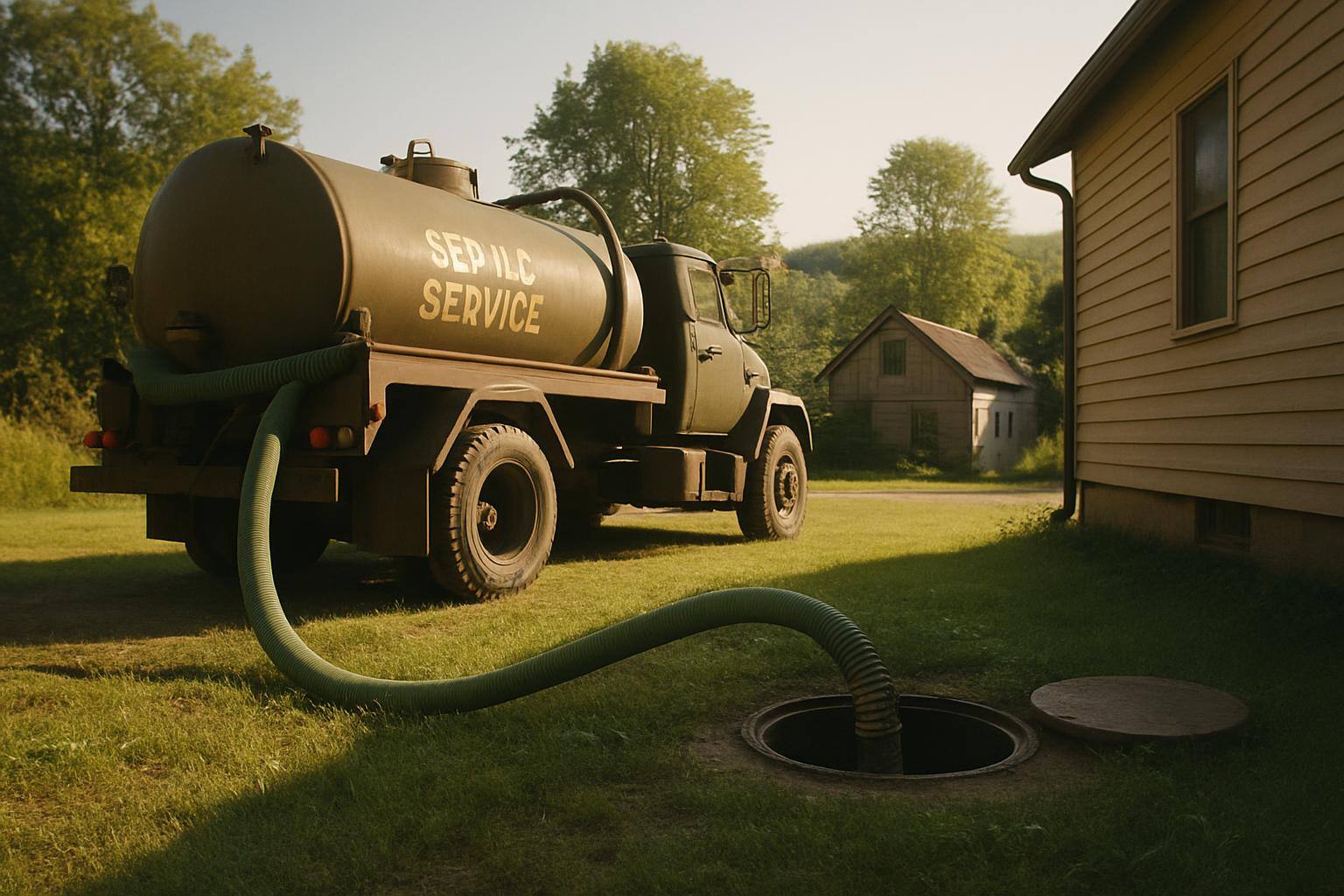
Septic tank pumping service · Winooski, VT
In the downtown blocks beside the Winooski River, a septic tank job depends on finding the tank and placing equipment without blocking tight access. One phone call gets the work sorted.
A real person answers · No forms · No waiting on a quote email
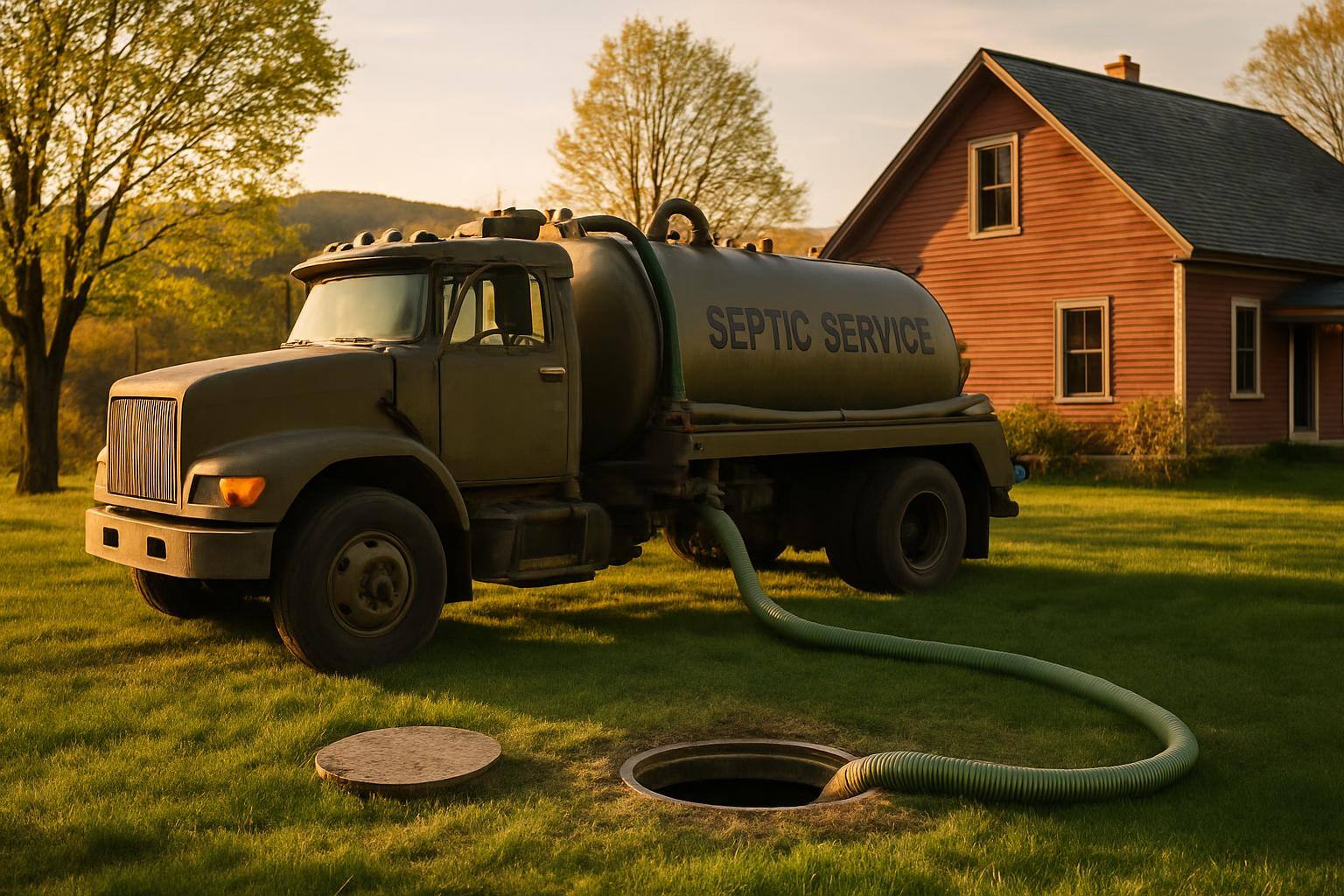
Size
The operator matches the service to a compact Winooski home, a larger household, or a commercial property after asking about tank type, access, and wastewater use.
Quote
Your exact quote is given on the call, based on tank size, access, distance, rental period, and the material being handled.
Date
The service date is set on the call around access, parking, weather, and any property restrictions.
Winooski homes near downtown, the riverfront, Mallets Bay, and the Colchester Avenue corridor can have tight approaches and limited parking. Septic tank service requires a clear route to the tank, careful placement near compact blocks, and attention to river flooding conditions. The job is planned around the property, not a generic service area.
Services
Winooski
Winooski's compact blocks, older housing, multifamily properties, and limited parking make tank access the first practical question. Properties near the river may also need a placement plan that keeps equipment on stable ground and away from flood-prone areas. Service is matched to residential tanks, larger household systems, commercial systems, inspection needs, and grease traps.
For a Winooski household tank, the operator checks access, tank location, and the route from the truck before scheduling pumping.
Cleaning removes accumulated solids from a residential or larger tank serving Winooski housing, with placement planned around tight drives and parking.
Emergency pumping helps address urgent tank concerns in Winooski when access, standing water, or blocked approaches affect the work plan.
Commercial pumping serves Winooski businesses and higher-use properties where tank size, daily wastewater flow, and service access need review.
Inspection pumping can support a Winooski property review by exposing tank condition and access details for a sale or system assessment.
Maintenance planning for Winooski properties considers household use, tank condition, seasonal weather, and the limited room around compact lots.
Grease trap pumping serves food-service wastewater systems in Winooski, with material type and safe equipment placement discussed before scheduling.
The residential tank is the usual starting point for Winooski homes, including compact houses and smaller multifamily properties. Larger households, commercial spaces, and food-service sites may need a different tier after tank size, wastewater flow, and access are reviewed.
A typical household septic tank commonly holds about 1,000 to 1,500 gallons.
A residential tank commonly holds about 1,000 to 1,500 gallons. It fits a typical Winooski household system when the tank location and truck route are accessible.
A larger residential or multi-bedroom tank commonly holds about 1,500 to 2,000 gallons.
A large tank commonly holds about 1,500 to 2,000 gallons. It may suit larger Winooski households or multi-bedroom properties with higher wastewater demand.
A commercial septic system uses larger tanks or multiple tanks sized for higher daily wastewater flow.
A commercial system uses larger tanks or multiple tanks for higher daily wastewater flow. Winooski commercial properties need access and usage details reviewed before selection.
A grease trap separates fats, oils and grease from wastewater before it enters the drainage system.
A grease trap separates fats, oils and grease before wastewater enters drainage. Winooski food-service properties need the trap location, material, and approach checked.
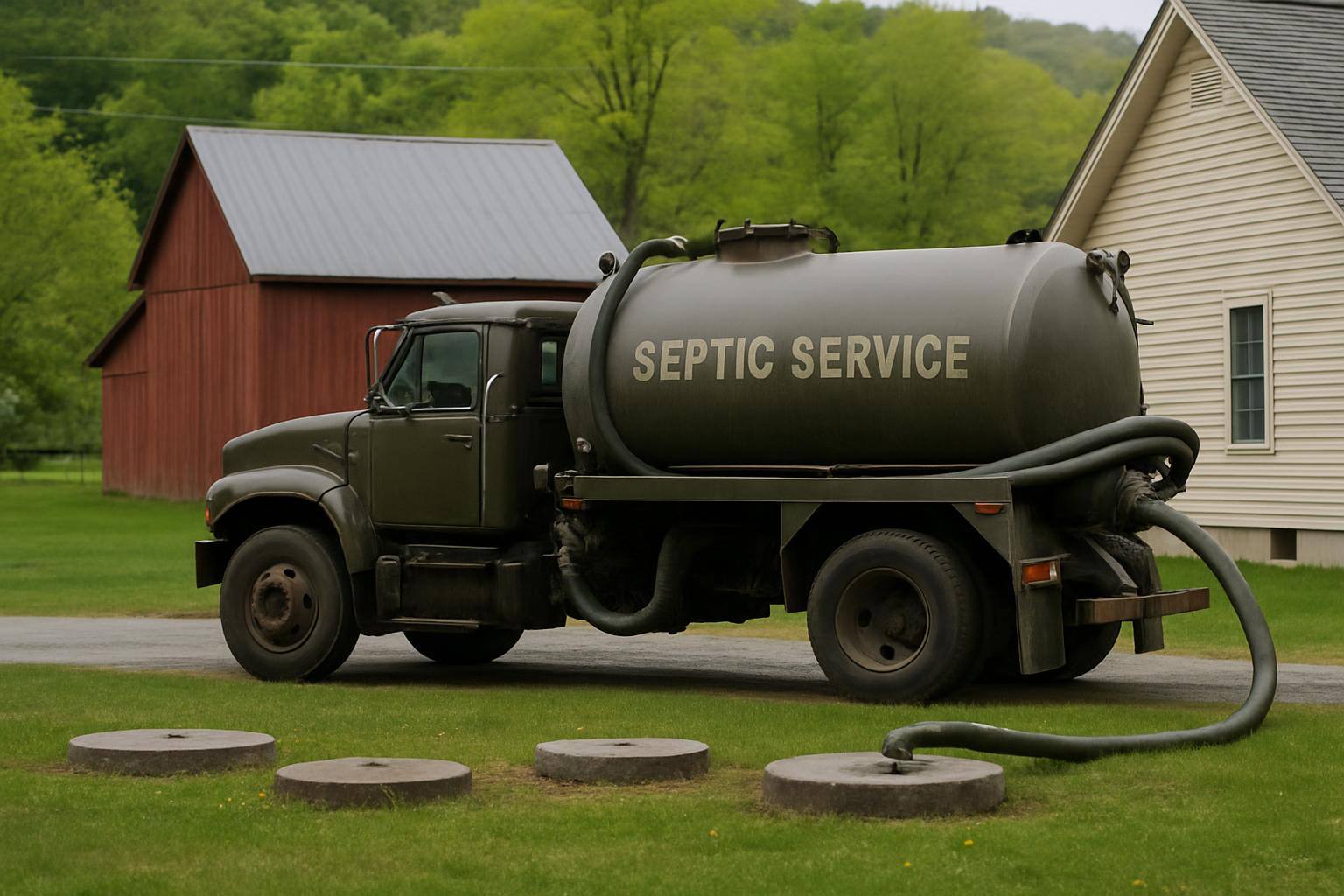
Cost
The quote is given on the call after the operator reviews the tank or trap, service type, access, distance, material, and scheduling needs. Winooski's compact blocks and limited parking can change the work plan when the route from the truck to the tank is longer or tighter.
Larger tanks, multiple tanks, and commercial systems require different pumping plans. The tank or trap type helps determine equipment, labor, and total service cost.
Distance from the truck to the tank matters on compact Winooski blocks, especially where parked cars, narrow drives, alleys, or buildings limit the route.
The material affects the quote. Septic solids, wastewater, fats, oils, and grease each require the operator to understand what is being removed.
Soft ground, river flooding risk, steep approaches, overhead obstacles, and limited parking can change placement and the work needed at the property.
To avoid surprise charges, describe the tank location, access route, material, property use, and any parking or ground concerns during the call. The exact quote is given after those details are reviewed.
What goes in
This category covers household septic tanks serving Winooski homes, including compact properties where the tank may be reached through a narrow side route or limited driveway.
Commercial systems cover larger tanks or multiple tanks serving businesses and higher-use properties in Winooski, with daily wastewater flow and truck access reviewed.
Grease traps serve food-service wastewater systems and separate fats, oils and grease. A typical Winooski restaurant site needs trap location and material details ready.
Not accepted. The service does not cover unknown hazardous materials, construction debris, chemicals, or anything outside the identified septic system, commercial system, or grease trap.
Projects
Routine service keeps a Winooski household system maintained, with tank location, access route, and property conditions reviewed before the scheduled visit.
Urgent service for Winooski properties depends on the reported problem, safe access, available placement, and conditions near the river or compact streets.
A Winooski home sale may require pumping and inspection planning, particularly where older housing has buried access or tight side-yard approaches.
New home service in Winooski starts with the tank type, property layout, access route, and any restrictions affecting equipment placement.
Commercial service supports Winooski businesses and higher-use properties by reviewing wastewater flow, tank configuration, parking, and truck approach.
Seasonal properties around Winooski need planning around freezing conditions, spring thaw, river flooding risk, and access through compact neighborhoods.
Grease trap service for Winooski food-service properties focuses on trap location, accumulated material, safe access, and the drainage system served.
Find the tank or trap, uncover access if needed, and describe its position relative to the driveway, building, alley, or side yard.
A real person reviews the system type, access, material, property restrictions, and preferred service date by phone.
The operator places equipment as close as practical, pumps the system, and cleans the tank or grease trap according to the service booked.
After service, discuss tank condition, access concerns, future maintenance, and steps that may reduce problems at the Winooski property.
Weather
Winooski winters can freeze access points, while spring thaw and river flooding can soften ground near the Winooski River. Snow, ice, standing water, and saturated soil may affect safe placement and the service date. Share current ground conditions when scheduling.
Placement
The service vehicle usually works from a driveway, side approach, rear access, or another stable private-property route near the tank. Winooski's compact blocks, limited parking, narrow approaches, overhead obstacles, and river flooding risk can require a shorter route or a different placement plan.
Permits
Private-property placement usually needs no permit. If equipment must use a Winooski street, alley, boulevard, or sidewalk, approval comes from the City of Winooski. Ask the city about applicable fees, duration, and placement requirements before scheduling work in a public way.
Some Chittenden County properties have association rules, covenants, or landlord requirements affecting parking, access, or service timing. Check those rules before arranging work, especially for multifamily housing or shared drives in Winooski.
The spot needs a practical approach, enough width for the equipment, clear overhead space, and firm ground that can support the setup. Clear snow, vehicles, bins, and loose items. Near the river or during thaw, explain soft ground and standing water before placement is planned.
Service covers downtown Winooski, riverfront properties, the Mallets Bay area, the Colchester Avenue corridor, and nearby residential blocks throughout the city. Nearby work can also be discussed for Burlington, South Burlington, Essex Junction, Vergennes, and St Albans, with the exact route reviewed by phone.
Not sure about your street? Ask on the call and we will tell you which office handles it.
Timing
Winooski septic work often becomes more complicated during spring thaw, when saturated ground and river flooding risk affect access. Summer property work and home sales can also increase requests. Winter service requires attention to frozen lids, snow, ice, and narrow streets where parking already limits the route.
Spring thaw can soften approaches near the Winooski River and create standing water around buried tanks. Share ground conditions early so placement and access can be reviewed before the service date.
Snow, ice, frozen lids, and parked vehicles can make Winooski access difficult. Clear the route and identify the tank before service so the operator can plan around limited street and driveway space.
Service area
Winooski is part of our Chittenden County coverage, and we also serve the neighboring communities below.
Why us
Winooski's tight urban blocks beside the river change how septic service is placed. The operator needs the tank location, truck approach, parking situation, and ground condition before choosing the practical route.
Groomers Dumpster Service · Winooski
Older homes, multifamily properties, businesses, and compact lots can hide tanks behind buildings or under limited access areas. A phone review helps match the system type and service plan to the actual Winooski property.
Click Here to Call (209) 479-7573FAQs
Still have a question about Winooski? Call (209) 479-7573 and ask a real person.
The exact quote is given on the call after reviewing tank or trap size, service type, material, access, distance, property conditions, and scheduling needs. In Winooski, limited parking, narrow approaches, and river-adjacent ground can affect the work plan.
A residential tank commonly suits a typical household, while a large tank may fit a larger or multi-bedroom home. The operator confirms the tier by asking about the Winooski property, tank information, wastewater use, and access.
The standard dumpster rental period is seven days, with extensions available by the day. Septic tank service is scheduled separately, so Winooski customers should describe the system and requested service date on the call.
The service handles identified residential septic systems, commercial septic systems, and grease traps. Explain whether the material is septic waste, wastewater, fats, oils, or grease, and identify the Winooski tank or trap before scheduling.
Unknown hazardous materials, chemicals, construction debris, and material outside the identified system are not covered. Tell the operator what is present rather than mixing unapproved material into a Winooski septic or grease system.
Private-property placement usually needs no permit, but street, alley, boulevard, or sidewalk placement needs approval from the City of Winooski. Ask about applicable fees, duration, and requirements if the truck or equipment must use public space.
Equipment can usually be planned from a stable private driveway or approach when the route has enough width, overhead clearance, and firm ground. Move vehicles and explain narrow access, soft soil, or river flooding concerns before the service date.
The delivery or service date is set on the call after access, parking, property rules, and weather are reviewed. No arrival timing is promised before those details are checked, especially on compact streets with limited placement options.
Winter weather can freeze lids and approaches, while snow and ice reduce usable space on compact streets. Spring thaw can soften ground and increase river flooding risk, so current access conditions should be explained when scheduling.
Riverfront service is planned around stable ground, flood exposure, parking, and the shortest practical route from the truck to the tank. Share standing water, soft soil, buried lids, and any restrictions near the Winooski River before the quote is prepared.
A real person answers · No forms · Every quote given on the phone